
The Aircraft Was Flying Perfectly. Until Nobody Was Flying It. Lessons from Eastern Air Lines Flight 401
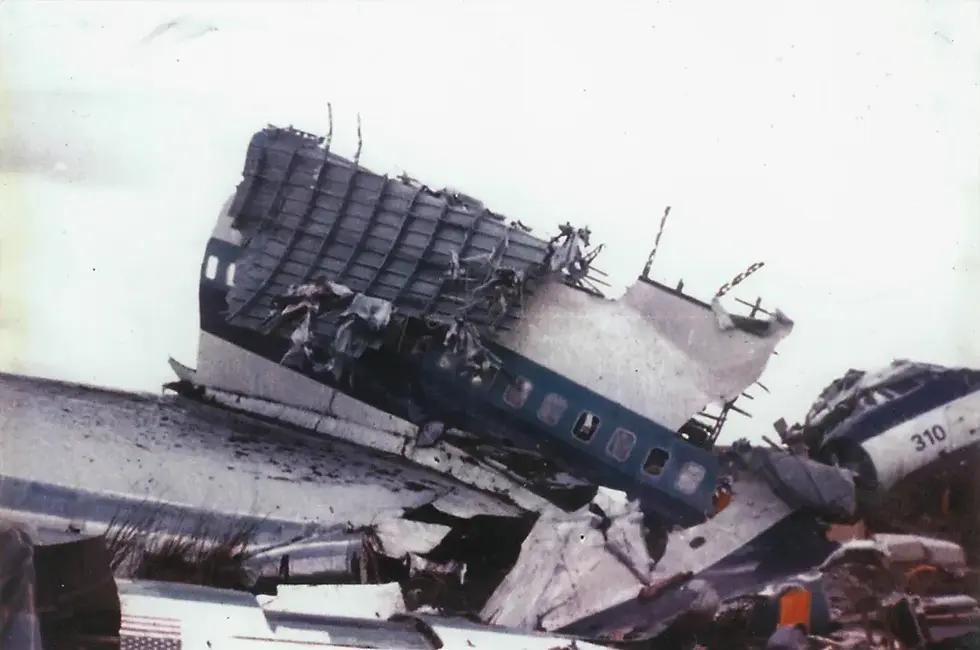
It started with a light bulb.
On December 29, 1972, Eastern Air Lines Flight 401 was approaching Miami at night. The Lockheed L-1011 TriStar was one of the most advanced airliners of its time and the approach itself was routine. The crew lowered the landing gear and something small happened.
The indicator light confirming that the nose landing gear was locked down failed to illuminate and that quickly became the focus. The crew began troubleshooting the problem. The captain became involved. The first officer became involved. Even the flight engineer became involved. At one stage, someone was physically trying to look into an avionics bay beneath the cockpit to identify the issue.
Meanwhile, the aircraft remained on autopilot in a holding pattern away from the airport.
At least, that’s what everyone believed was happening. During the troubleshooting, the autopilot was inadvertently disconnected from altitude hold. The aircraft slowly began descending into the Florida Everglades.
Nobody noticed. Not the captain. Not the first officer. Not the flight engineer. The descent was gradual and there were no dramatic warnings or obvious signs of danger. The aircraft was still flying normally. Engines running. Systems functioning (except a broken bulb). The crew were busy, engaged and working a problem. Just not the most important problem.
By the time they realised what was happening, it was too late. Flight 401 crashed into the Everglades. 101 people died.
1. Small Problems Can Capture The Entire System
The thing that stands out most about Eastern 401 is how minor the original issue was. A light bulb. Not an engine failure. Not a fire. Not severe weather. Just an indicator that failed to illuminate.
The important thing here is that the crew weren’t ignoring the bigger picture deliberately. They simply became absorbed in solving the problem directly in front of them. This is a very normal human response. People naturally gravitate toward the issue they can see clearly, interact with directly and potentially solve quickly. The visible problem becomes the important problem. Meanwhile, larger and potentially more dangerous issues can quietly develop in the background.
We see this constantly in organisations. Teams become consumed by the loudest issue, the urgent customer, the failing project, the operational frustration or the political pressure sitting directly in front of them.
The wider system keeps moving. Often without enough attention being paid to where it’s actually heading.
2. Nobody Was Really Monitoring The Big Picture
One of the uncomfortable lessons from Eastern 401 is that everyone assumed someone else still had the overall picture. The captain was focused on the gear indication. The first officer was assisting. The flight engineer was troubleshooting. Nobody was really monitoring the aircraft properly any more.
This wasn’t laziness or incompetence. It was merely attention becoming concentrated in one area while the overall system slowly drifted elsewhere. That’s a dangerous dynamic because situational awareness rarely disappears all at once. More often, it narrows gradually. Teams become increasingly focused on one task while losing awareness of everything outside it.
And because the aircraft was still flying smoothly, nothing initially felt wrong. Which is often how systems drift into trouble. Quietly.
3. This Is Exactly Why CRM Exists
Eastern 401 happened before Crew Resource Management became widely embedded in aviation. At the time, cockpits were often far more hierarchical. Monitoring, communication and workload-sharing were far less structured than they are today. CRM as we now know it largely grew out of accidents like this one.
Eastern 401 wasn’t really about a light bulb. It was about highly capable people interacting under pressure while dealing with distraction, uncertainty and workload.
Modern CRM places huge emphasis on:
maintaining the big picture
monitoring and cross-checking
speaking up
workload management
task sharing
protecting situational awareness
In other words, many of the exact things that gradually disappeared in the cockpit that night.
This is why CRM has become so influential not just in aviation, but in medicine, maritime operations, emergency services and increasingly business leadership.
It has not become more influential because humans are weak. It's happened because humans are human and we are starting to realise what to do about it.
4. The Aircraft Didn’t Suddenly Fall Out Of The Sky
The aircraft descended gradually. There wasn’t one catastrophic moment where everything changed instantly. The system slowly moved toward danger while everyone remained convinced they were managing the situation.
There are parallels outside aviation. Organisations rarely fail dramatically at first. Teams become consumed by immediate issues. Monitoring reduces. Assumptions fill the gaps and the wider picture slowly fades into the background.
Because nothing bad happens immediately, the drift remains invisible. Until eventually it isn’t.
Final thought
Eastern 401 is often remembered as “the light bulb accident.” That description misses the point entirely. The problem wasn’t the bulb. The problem was that the crew’s attention became so concentrated on one issue that they gradually lost awareness of the system they were actually trying to protect.
As mentioned above, that’s a very human problem which exists far beyond aviation. Most organisations don’t lose the bigger picture all at once. They lose it gradually, while everyone is busy solving something else 'more' important.
If you’re a leader…
The useful questions probably aren’t about aviation. They’re about your organisation.
What problems are absorbing all of your attention right now?
Who is still monitoring the bigger picture?
Where has focus become so narrow that wider risk is being missed?
What is quietly drifting while everyone is busy fixing something else?
Systems rarely fail because nobody is working. Sometimes they fail because everyone is focused on the wrong thing.
-----------------------------------------------------------------------------------------------------------------------------------------------------

Mike Mason and Sam Gladman are the co-founders of On Target, a leadership and team development company that brings elite fighter pilot expertise into the corporate world. With decades of combined experience in high-performance aviation, they specialise in translating critical skills such as communication, decision-making, and teamwork into practical tools for business. Through immersive training and cutting-edge simulation, Mike and Sam help teams build trust, improve performance, and thrive under pressure—just like the best flight crews in the world.
If you'd like to learn more about how On Target can help your team, contact Mike and Sam at info@ontargetteaming.com.


Comments